You know combustion engine (X) used in vehicles😉?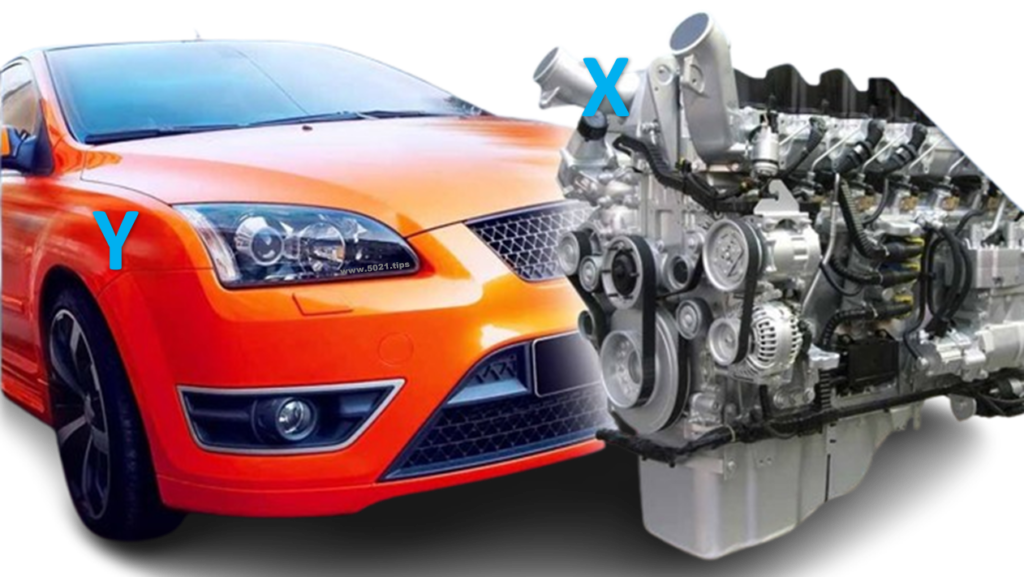 How it works, insha’Allah😳!
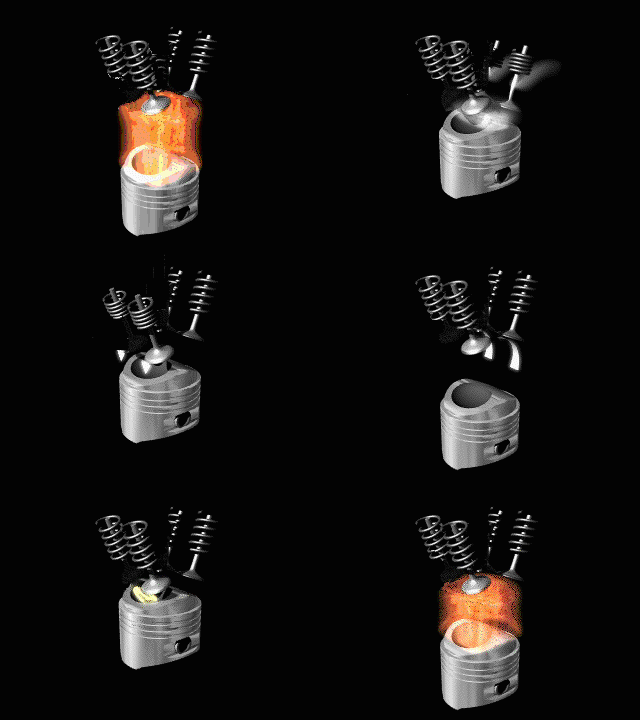
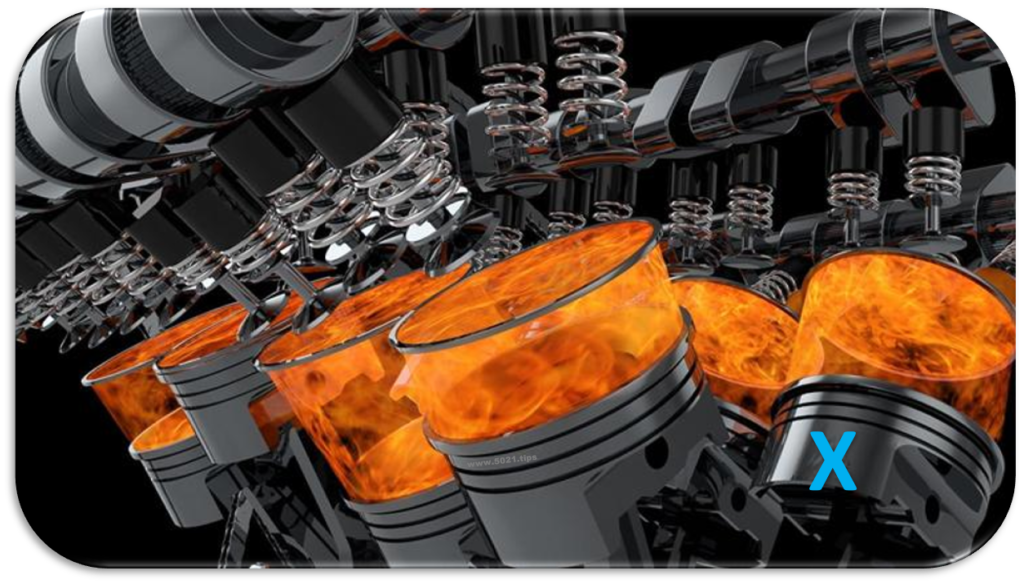
Whatever magic that happens,
rotates the tyres(T) to move the vehicle👩🦽!
Imagine, instead, just put a motor (M) to rotate the tyre🤷♀️!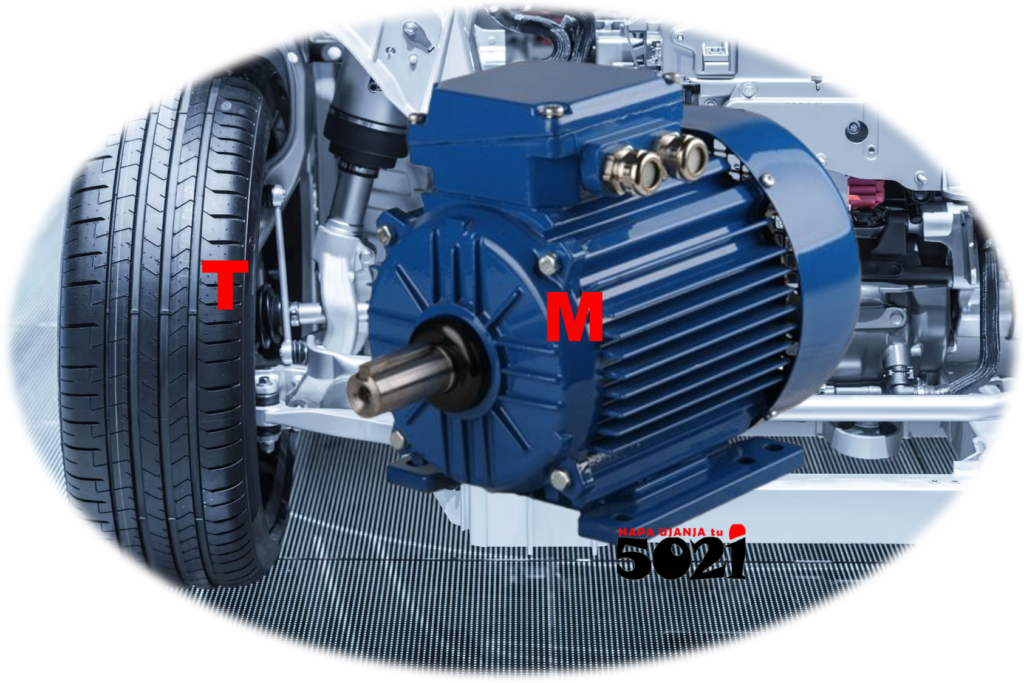 There a billion reasons why (then) to just use a motor (M) to rotate the tyre (T) was illusional😉!
 Infrastructure, the roads being bad!
The technology was “bad”, it could not offer the range, speed, affordability, maneuverability that the usual internal combustion Engine offered! The motor technology would be adapted to just compliment the IC-engine🧘♂️!
That’s the HYBRID nonsense!
A hybrid drivetrain combines (E) a conventional Internal Combustion Engine (IC-engine) with (M) an electric motor to optimize fuel efficiency and performance🧬! There are different HYBRID configurations,
how motor (M) & IC-engine (E) compliment each other✌!
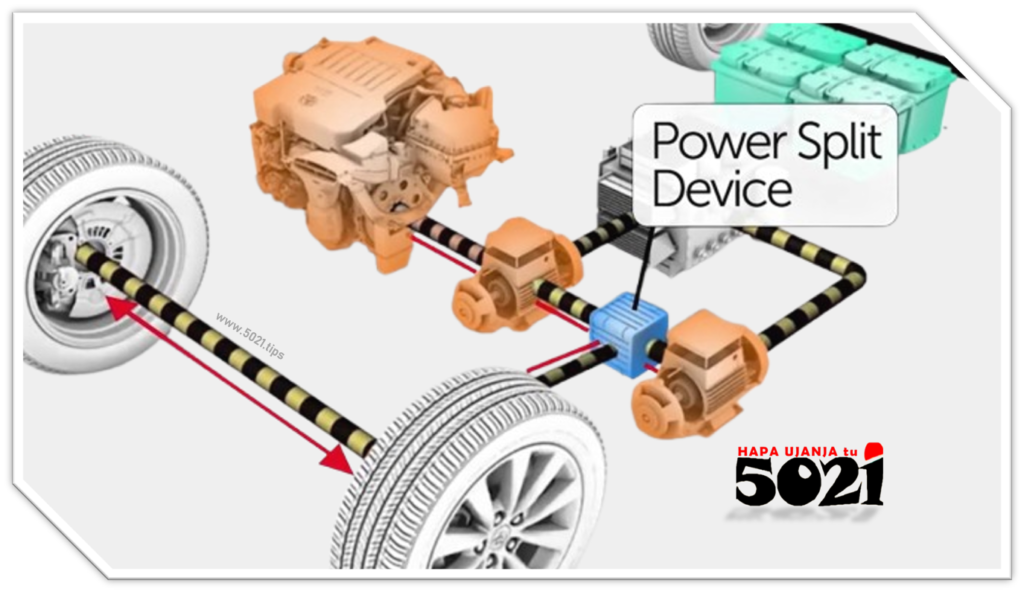
First🤔try to imagine our Motor(M) and IC-engine(E)🧐!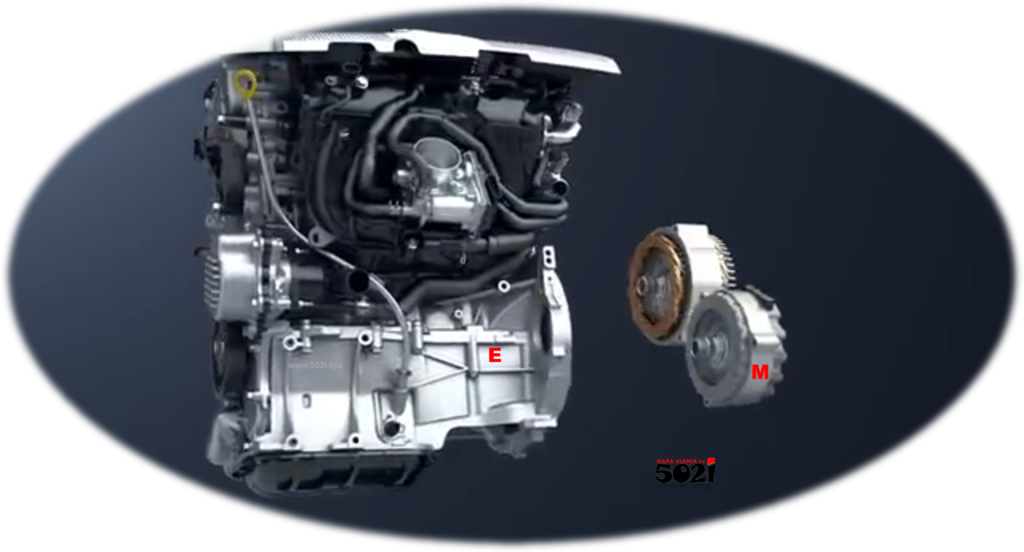 Continue imagining some ‘special something‘ used in hybrid vehicles to manage power distribution between an IC-engine (E) and electric motor/generators (M)😎!
This ‘special something‘ is known as the PSD, which means a power split device (PSD) that enables seamless switching between (M) and (E) or both🏋️♂️!
Insha’Allah,
may these words not confuse You🚧
MHEV , HEV, PHEV, REX, EREV, SOZI
MHEV
(Mild Hybrid Electric Vehicle)
A mild hybrid is a type of hybrid vehicle that uses a small electric motor to assist an internal combustion engine (ICE)🦽!
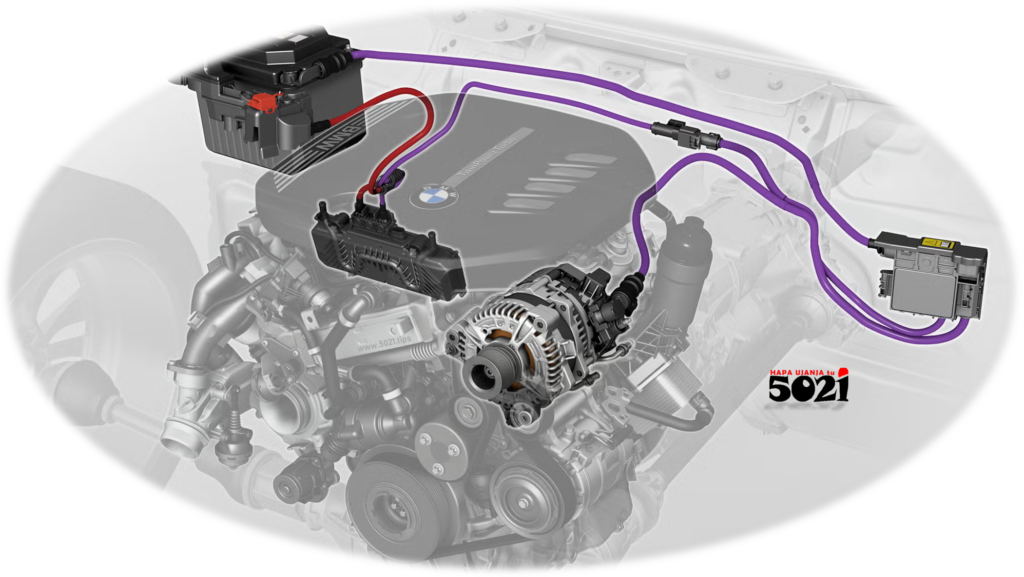
A small electric generator is installed in place of a traditional starter motor and alternator😉.
This allows fuel-intensive activities, like rapid acceleration or restarting after a stop, to be supported by power from the generator🏋️♂️!
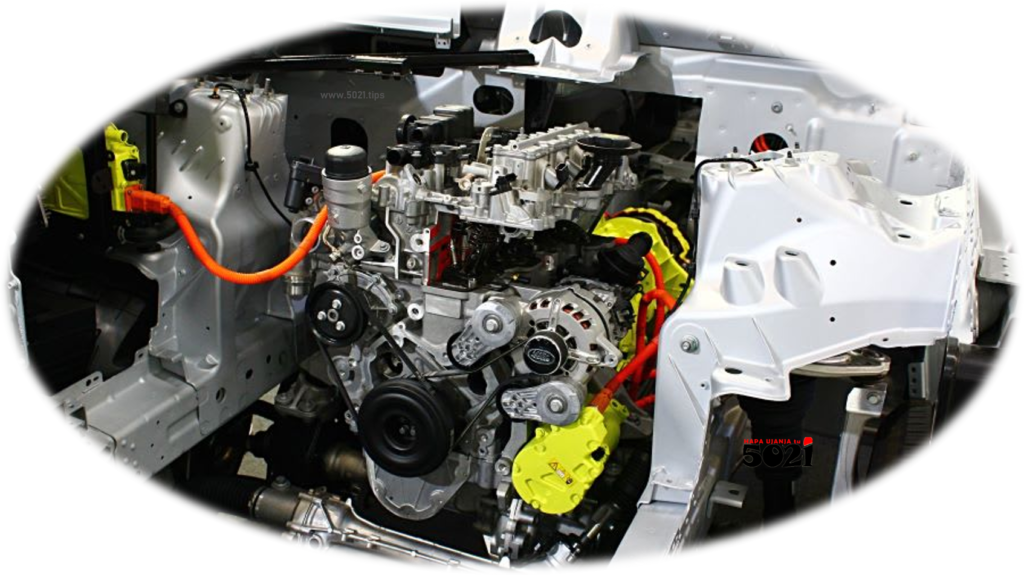
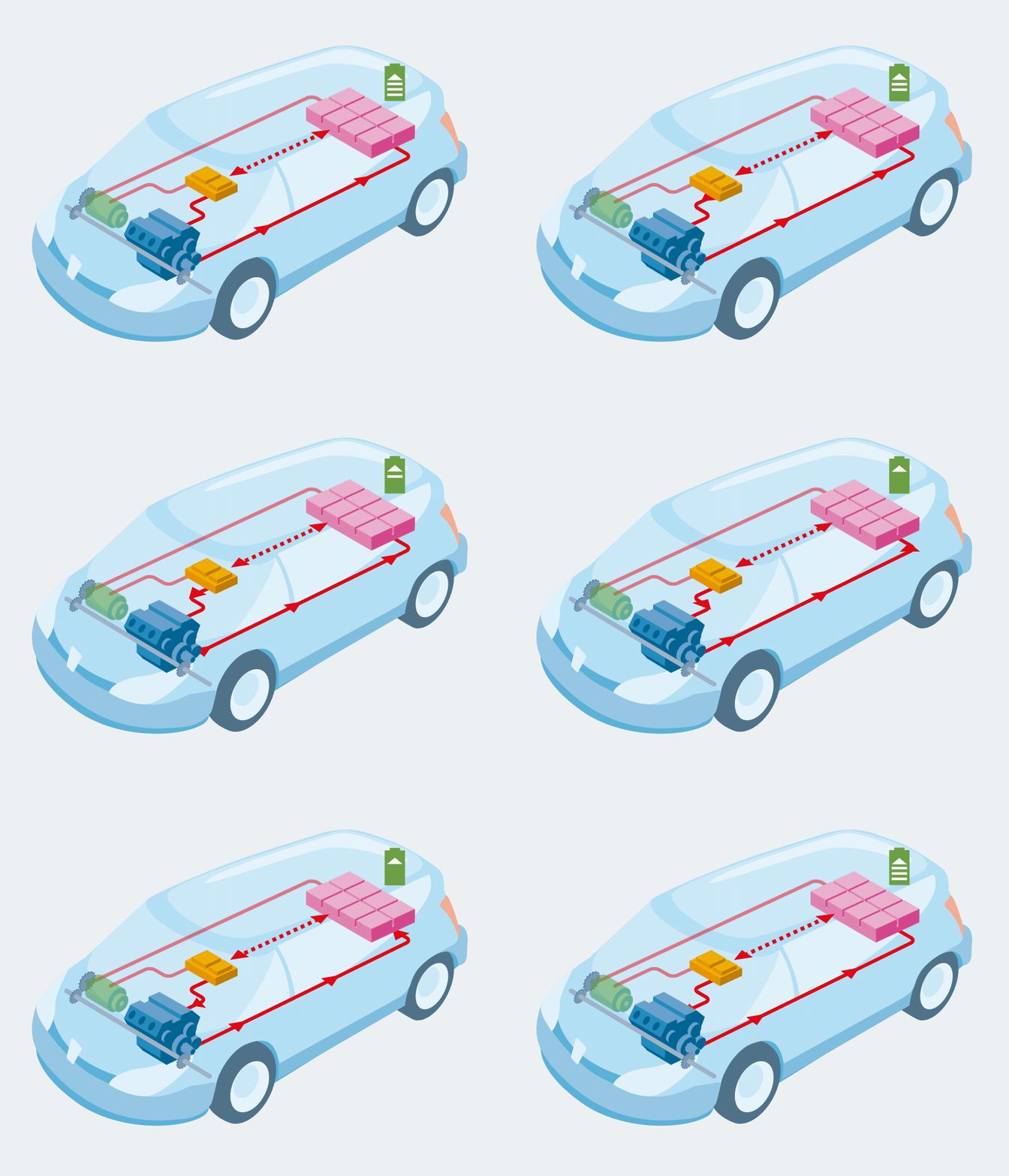
The electric motor is NOT connected anywhere to directly (solely) rotate tyre (T)!
Using this illustration to unconfuse & confuse You with these other terms,
HEV, PHEV, REX, EREV, SOZI
HEV
(Hybrid Electric Vehicle)
This a full Hybrid!
Both the IC-engine (E) and Motor (M) can, each, solely or together, rotate (T) tyres to drive the vehicle🦽!
 The IC-engine could be moving the vehicle alone, while charging the Motor’s HV-battery🤷♂️!
 As long as the battery has optimum ‘juice’, the motor then solely drives the vehicle👩🦽!
 Just like You would connect batteries,
in series or parallel🚧, Whenever necessary to maximize efficiency and performance,
like during Heavy acceleration, climbing hills, or high-load conditions,
both the IC-engine & Motor could team up to move the vehicle👩🦽!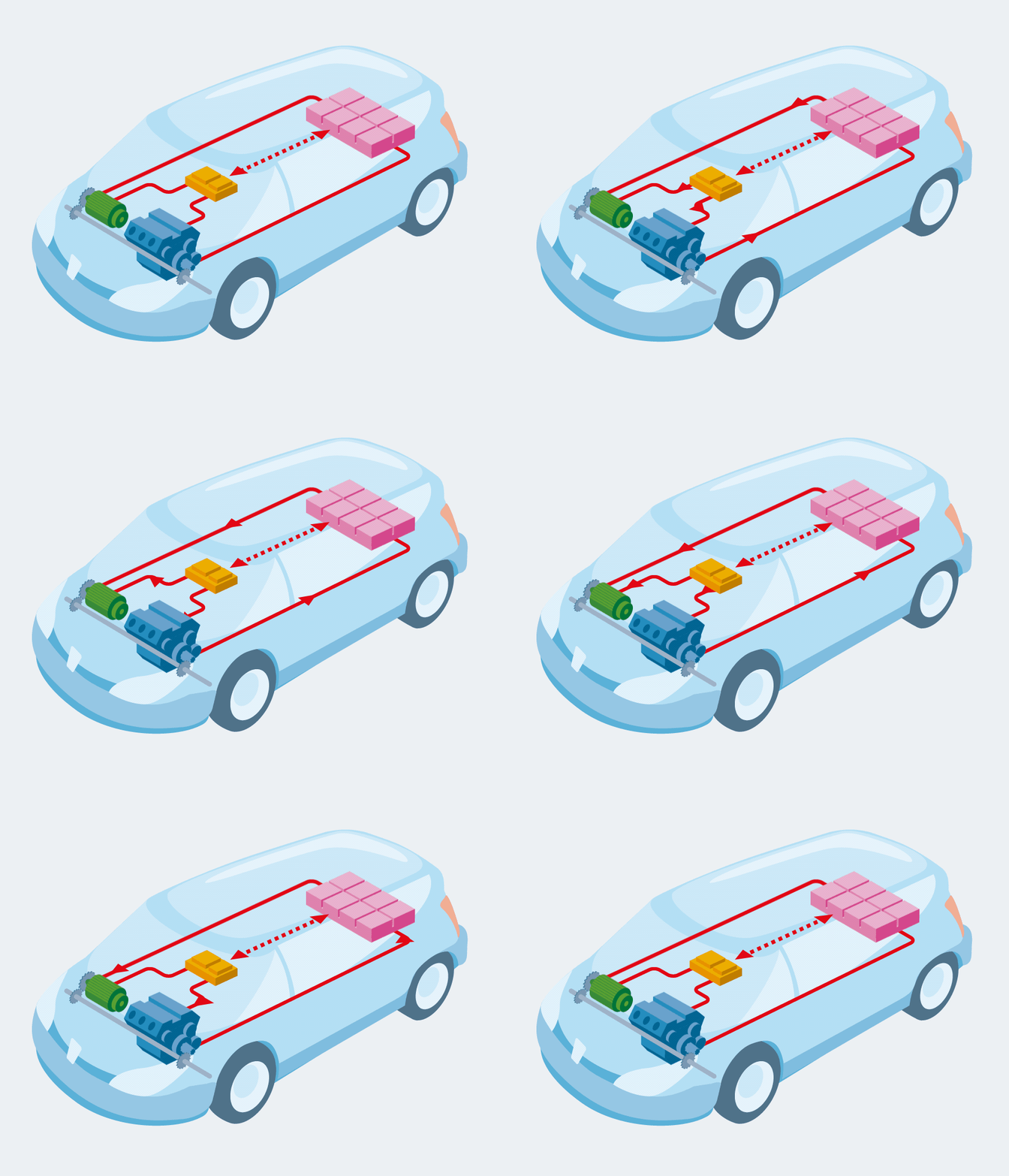
PHEV
(Plug–in Hybrid Electric Vehicle)
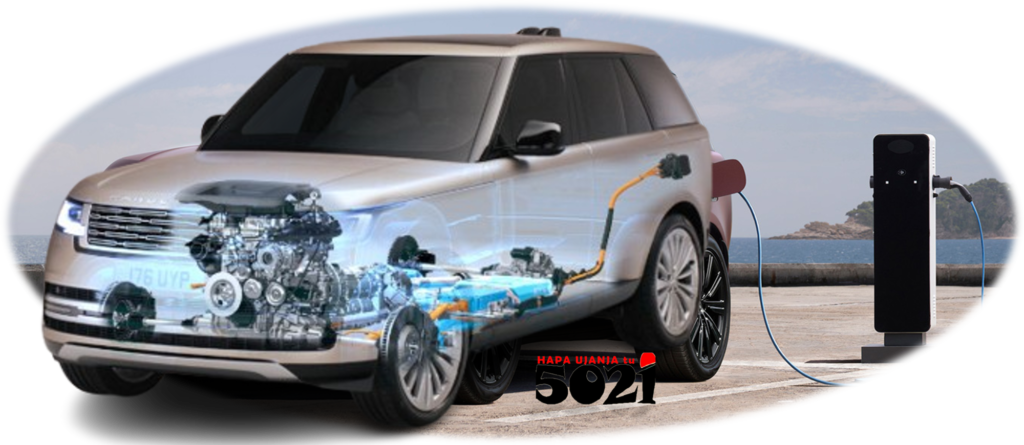
This type of hybrid, PHEV, just has a larger battery than standard hybrids (HEV)!
PHEV allow for more of pure electric driving🧐!
Battery (B) is larger, keeps more ‘juice’ to enable motor (M) drive the vehicle for longer🚙!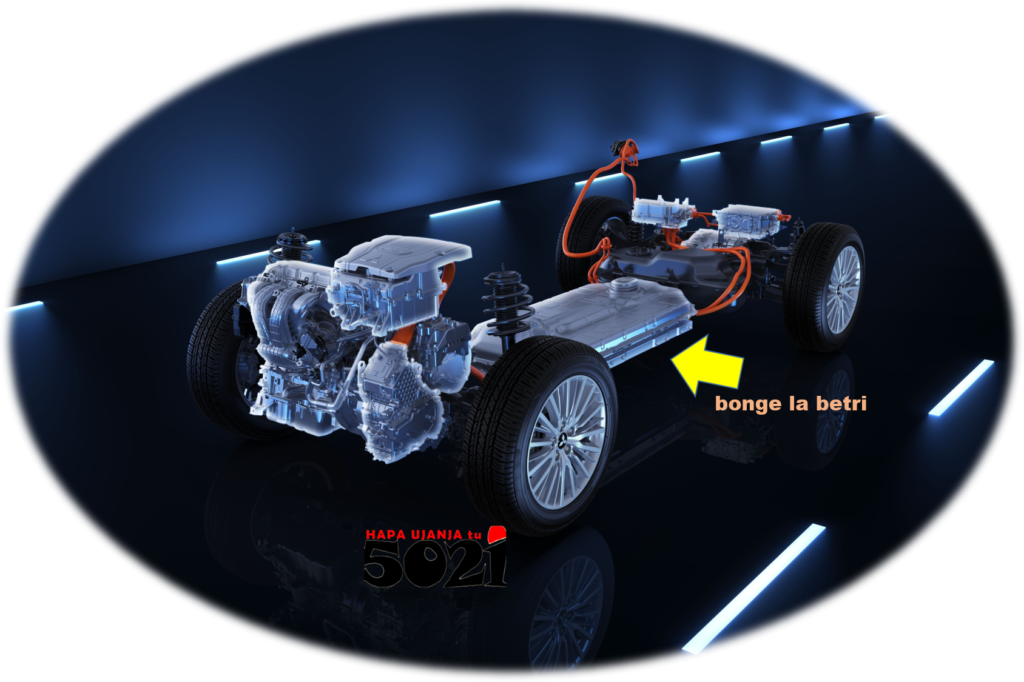 PHEVs must be plugged in to an external power source to maximize efficiency👌!
  PHEVs automatically manage power, prioritize electric mode until the battery is low, then seamlessly switch to hybrid mode (IC-engine + electric)👩🦽!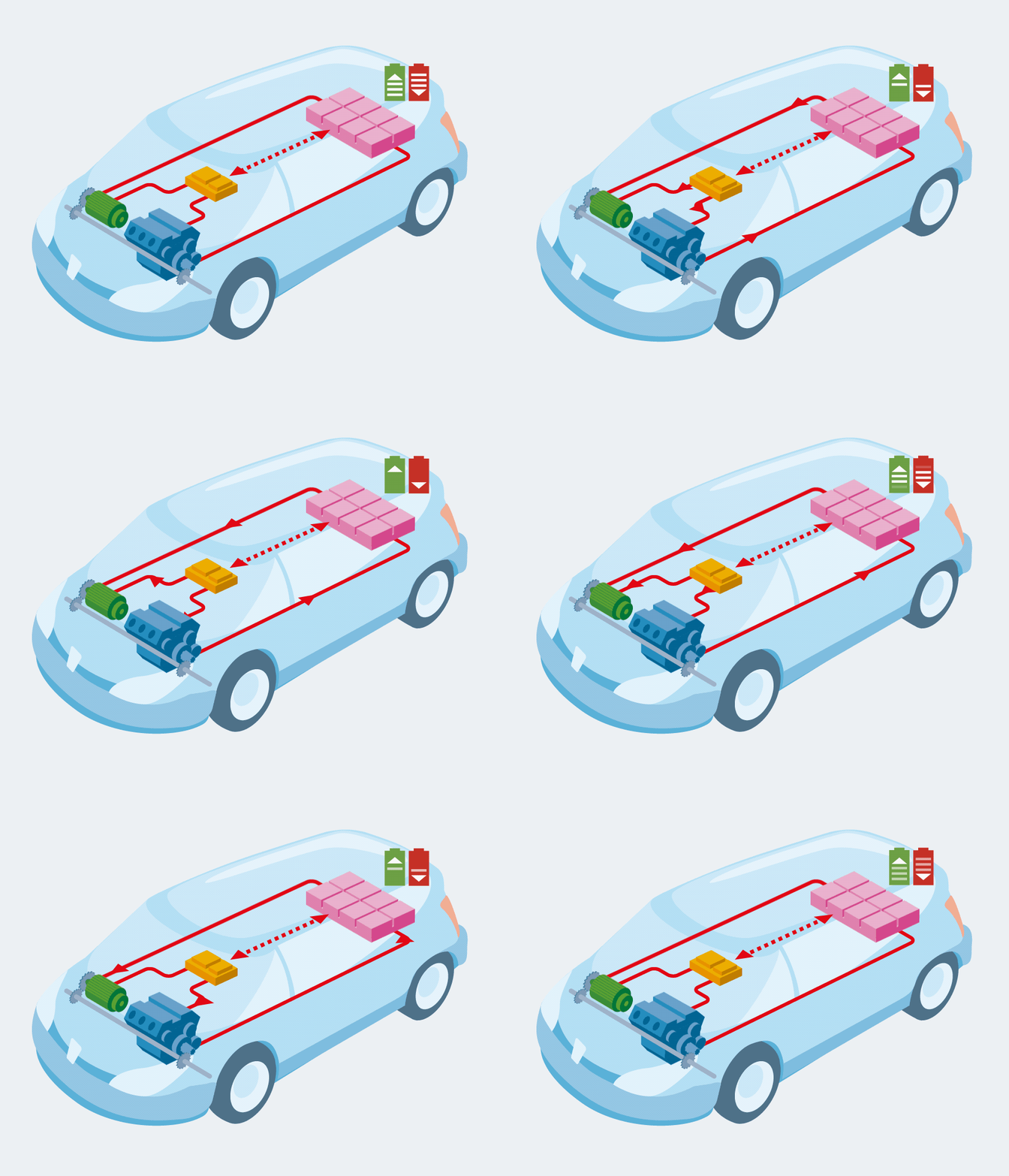
EREV
(Extended–Range Electric Vehicle)
A type of battery-electric vehicle (BEV) that uses a small internal combustion engine solely as an onboard generator to recharge the battery🏋️♂️!
The small IC-engine never drives the wheels directly🤷♀️!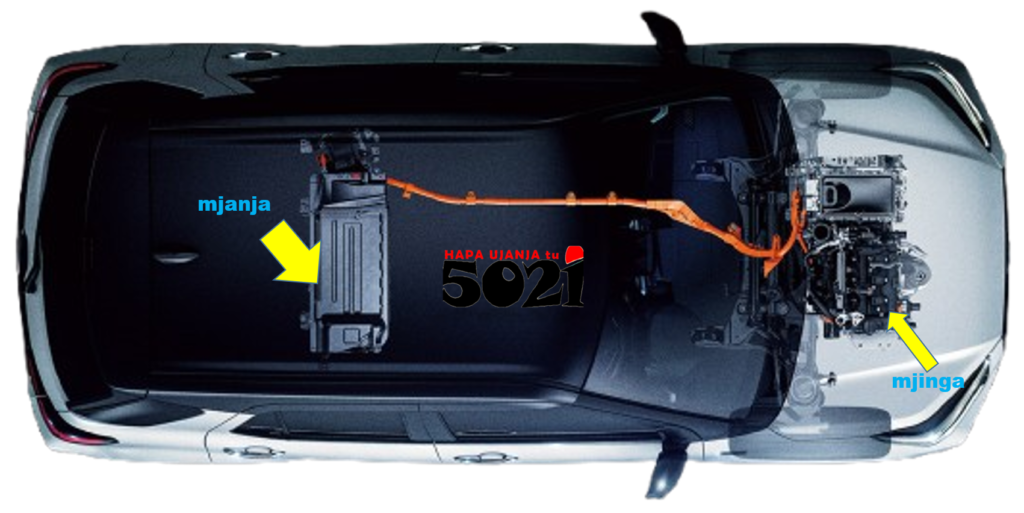 REx
REx
(Range Extender)
“Rex” (or REx) is simply the abbreviation for the “Range Extender” engine/generator unit itself😜! This EREV is equipped with a,
small, auxiliary IC-engine that acts solely as a generator to recharge the battery while driving👩🦽!
 Unlike traditional plug-in hybrids, the REx engine never drives the wheels directly; it only powers an electric generator, eliminating range anxiety while keeping the vehicle in electric-only mode🔌!
Batteries (B) & (2B)
Know that there are different Battery technologies, like of Lithium-ion (Li-ion), Nickel-Metal Hydride (NiMH), Lead-Acid, Sodium-ion, solid-state, Sozion, etc😜, all offer varying energy densities and performance levels✌!

How the batteries work & everything, insha’Allah😜!
Click Here
…for that setup with sensors, ECU, actuators, etc!
How they work, testing, troubleshooting, etc🩺!
LOW–voltage battery (2B)

Besides the high-voltage battery (B) to run the motor (M), a Hybrid vehicle ‘could’ have some low–voltage battery (2B) that powers low–voltage electronics, such as lights, infotainment, dashboard displays, and certain sensors📴!
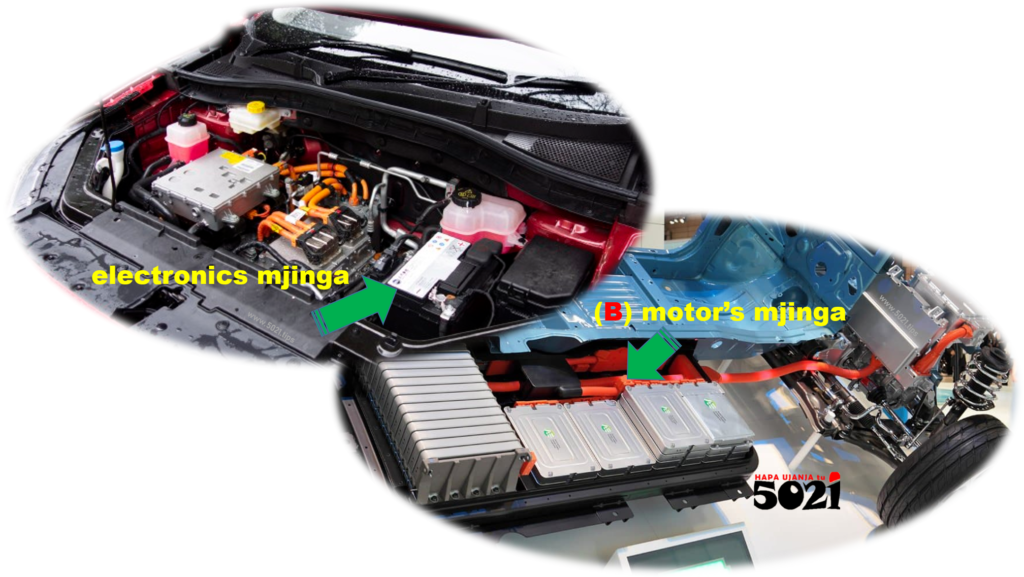
Its most critical function is to..
..activate the high–voltage relay system and control modules..
…that allow the high-voltage battery to start, then propel the vehicle👩🦽!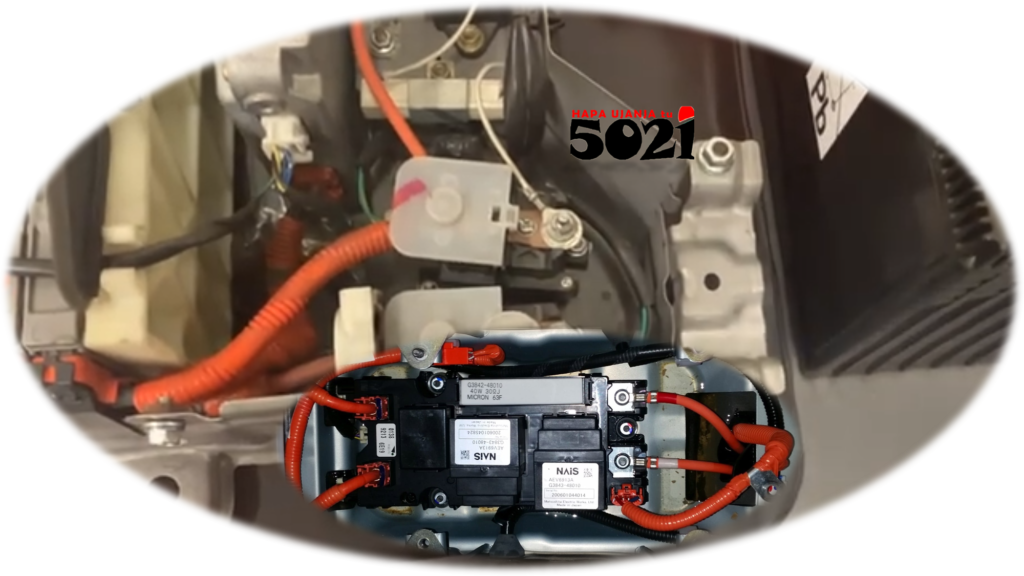
📌Don’t forget this LOW-voltage battery in a Hybrid📌
🍺At start-up, it initializes the computer systems and closes the relays (main contactors) that connect the high-voltage battery to the drivetrain👌!
🍻It powers accessories, lights, radio, windows, climate control like when the main system is in “Ready” mode😎!
🍺🍻It’s used for Passive Safety/Security, like to operate the locks, alarm, and key fob sensors , etc!
Yes, it supports the management and monitoring of the main high-voltage battery🤷♂️!
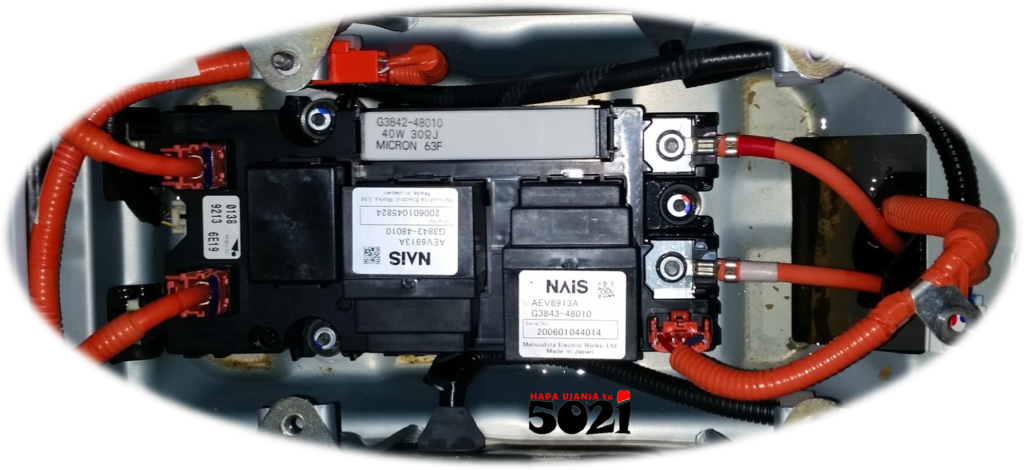
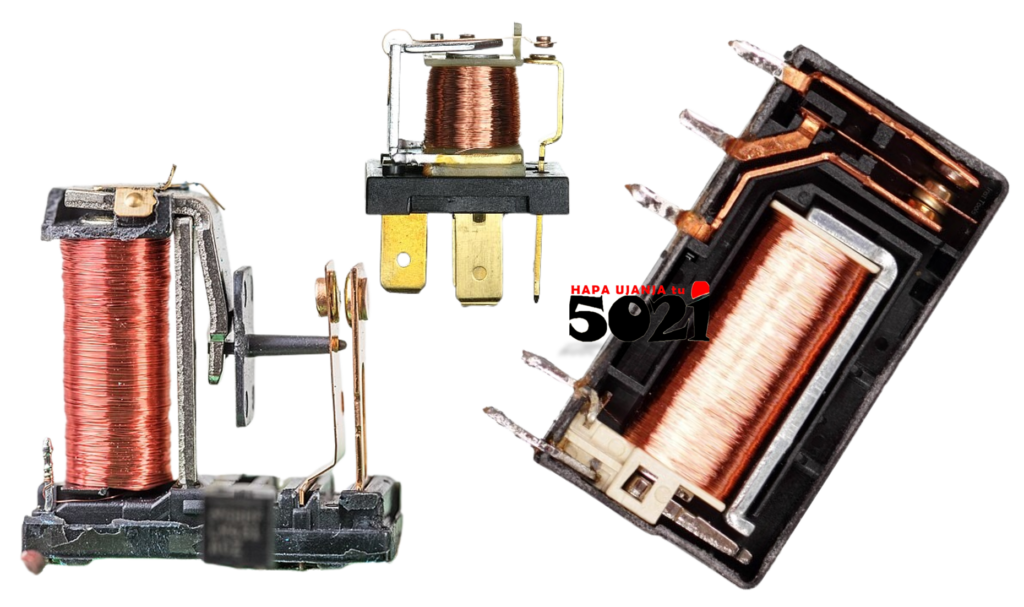
Use the same ‘ujanja’ about relays!
Click Here
…for that setup with sensors, ECU, actuators, etc!
How they work, testing, troubleshooting, etc🩺!

Be a ‘mjanja’ while troubleshooting these relays🤪!
Remember🥂
📌Unlike conventional cars, the LOW–voltage battery in a hybrid does not need to turn over a starter motor, allowing it to be smaller, although it still serves the same basic activation functions🧘♂️!
📌Instead of an alternator, the LOW–voltage battery is charged by the HIGH–voltage battery through a DC-DC converter🔌!
📌The LOW–voltage battery can still go dead if the vehicle sits for a long time, preventing the high-voltage system from waking up, seen🤔?
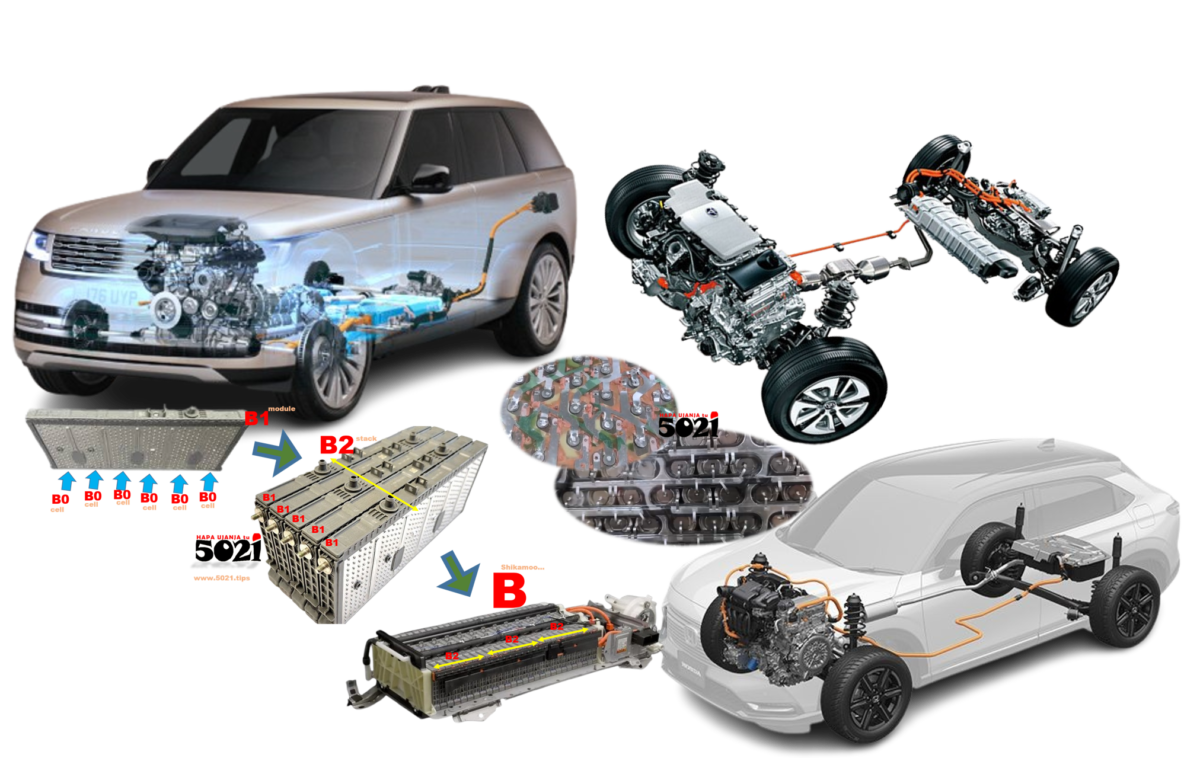
HIGH–voltage battery (B)
Remember, there’s different Battery technolgy👌!
Whichever technology a hybrid vehicle manufacturer finds as suitable, they…

…they produce several cells (tiny batteries)
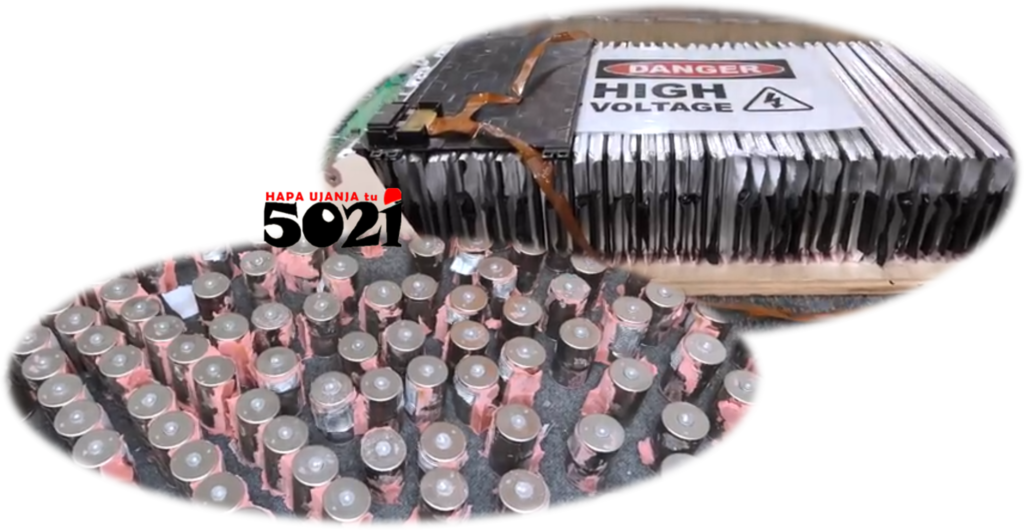
These tiny (B0) batteries (cells) are then connected together to form a module (B1), which many modules are also further stacked to form that (B2) stack😜🤪these stacks then form HIGH–voltage (B) battery😁😁!

Click Here
…for that setup with sensors, ECU, actuators, etc!
How they work, testing, troubleshooting, etc🩺!
I’m sure the nonsense of a batteries’ parallel, serial connections makes sense to You🩺!
I pray, insha’Allah, as You interrogate🩺whatever nonsense could be with the battery, you follow up whatever connections are, up to as kernel as the cells’ connections🧷!


Whatever Battery technology used,
it’s exothermic, generates heat🚑!
Through inlets/outlets (O) whatever coolant is circulated into around the battery packs🍻🩺!
As You interrogate🩺 whatever nonsense be with the battery, be ready to deal with temperature sensors!
There could be several Temperature Sensors,
per cell, per module, per stack, or some
general, overall battery temperature sensors! If you’re interested in some nonsense about Temperature sensors‘ parameters🩺
Don’t Click Here
Obviously, the current, voltage, of the HV battery must be monitored🤷♂️!
 Just be open-minded, depending on the Battery’s complexity, the monitoring could be per, cell, module, stack, or general Battery🤷♂️!
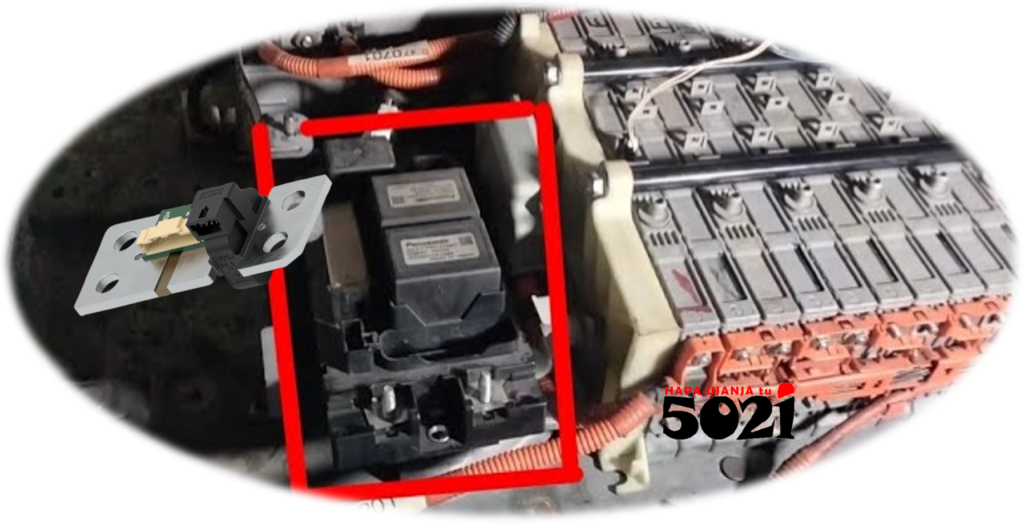 If you’re not sure how to test, where to test, what to test, when to test, why to…
Click Here
…for that setup with sensors, ECU, actuators, etc!
How they work, testing, troubleshooting, etc🩺!
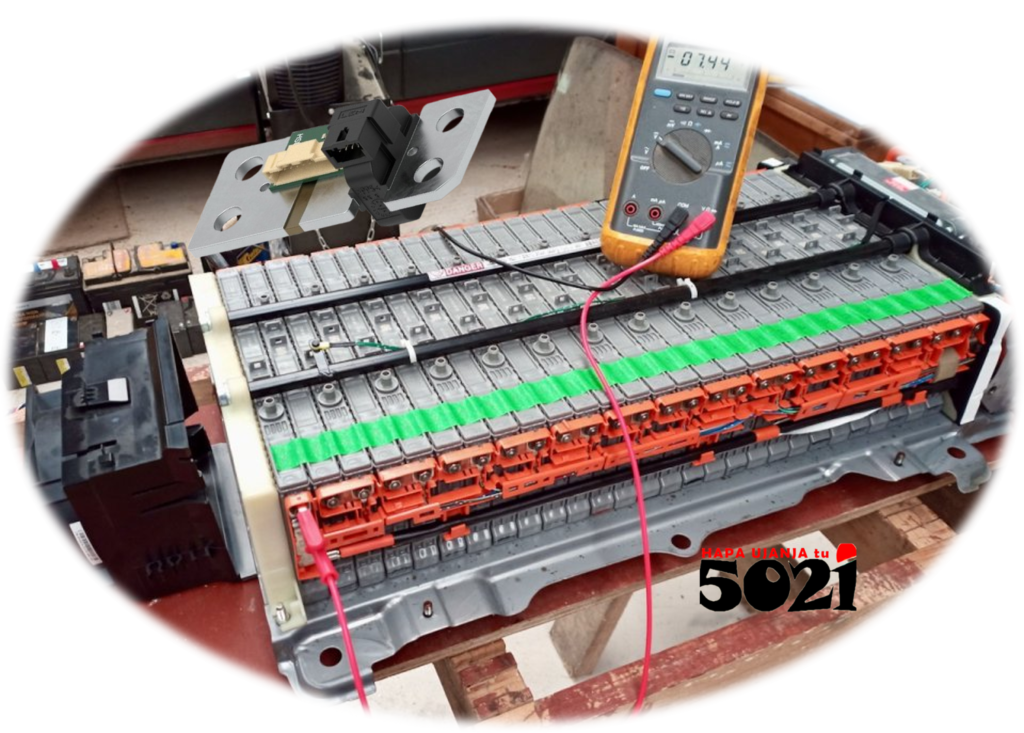
Whatever monitored parameters,
current, voltage, temperature, sozi, is reported to the Battery’s central Electronic Control Unit (ECU)💻! There could be some LOCAL electronic control units, per cell, per module, per stack, depending on how complicated the HV-battery could be, insha’Allah☝!
 The HV–Battery’s ECU, shares the, Temperature, Current, Voltage, and other parameters with other control units including the,
DISPLAY and INVERTER / CONVERTER🥂!
📌The HV–Battery‘s ECU uses the parameters to manage the battery‘s modules & stacks, switch them ON or OFF whenever necessary🤷♂️!
📌That State of Charge (SoC) blaa bla is like the ‘fuel gauge’, it indicates the HV–battery’s current energy level🩺!
📌State of Health (SoH) is the measure of the HV–battery‘s long–term condition and capacity degradation compared to when it was new😉!
SoC is a short-term, always variable measurement (current charge),
whereas,
SoH is a long-term, irreversible metric representing battery aging🦽!
A hybrid battery disconnect plug (or service plug🔌switch) is some safety sh*t used to isolate the high–voltage battery from the rest of the vehicle system, crucial for safe servicing,repairs🩺!
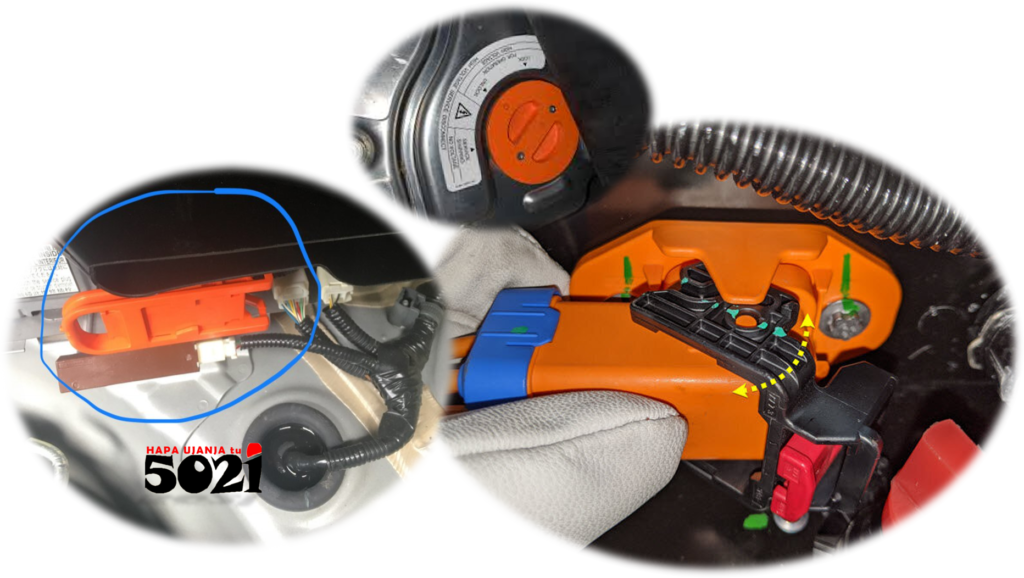
Typically, on most hybrid vehicles, this plug is of orange color,
and usually, located under the rear seat or trunk/boot area🧐!
This sh*t must be removed and secured, then You drink a 🍺as You wait sh*t to discharge, before working on high-voltage components😜😁!
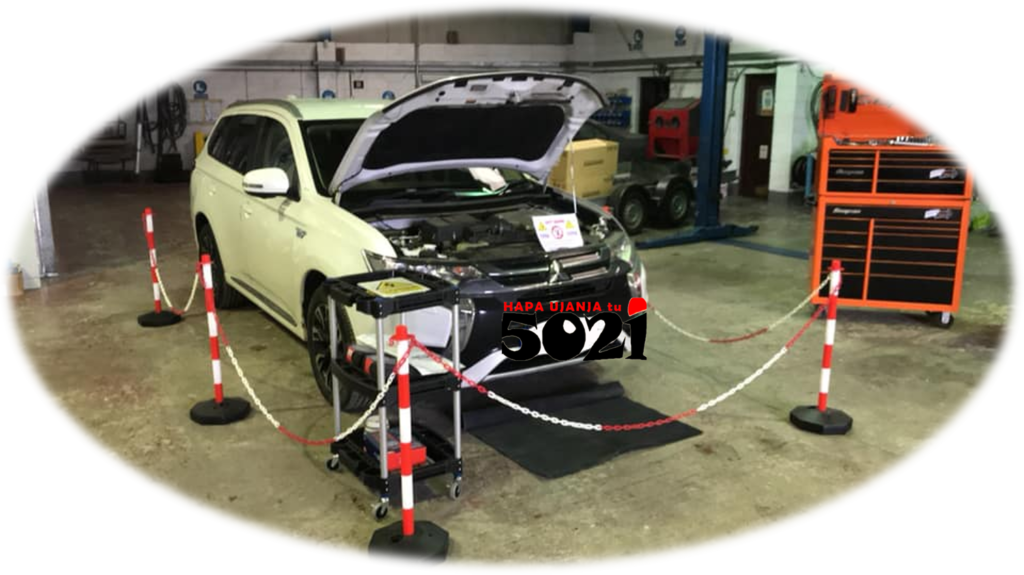
INVERTER / CONVERTER (Z)
Remember, the electric motor (M) used use to turn tyre (T) is a AC motor, using Alternating Current🔌!
Insha’Allah, for whatever reasons why the AC–motor is preferable for use in Hybrid‘s🤷♂️!
For example,
AC motors are more efficient, durable, and capable of generating high torque over a wide speed range compared to DC motors🤷♂️!
In other words,
AC motors produce high, immediate torque and manage the variable power demands of driving compared to DC alternatives😎!
Click Here
…for that setup with sensors, ECU, actuators, etc!
How they work, testing, troubleshooting, etc🩺!
Our HV–battery(B) stores DC power!
So the power inverter (Z) converts the DC power to AC power, for the efficient motor (M) operation🔌!
Sasa, before We dismantle (Z) the Inverter / Converter‘s internal components, for it’s reverse function, this is what happens🤪😜 in reverse!

When the driver lifts off the accelerator or presses the brake pedal, the same or other dedicated electric motor (G) reverses function, acting as a generator (G)😲!
This process creates some magnetic drag, which slows the vehicle down🏋️♂️!

All the nonsense about motors,
Click Here
…for that setup with sensors, ECU, actuators, etc!
How they work, testing, troubleshooting, etc🩺!
The inverter / converter (Z) is vital for controlling AC motor speeds and converting DC battery power, which requires it to be located somewhere within the high–voltage system loop🧘♂️!
Even if🤔,
…many hybrid vehicles house the inverter (Z) converter under the hood (bonnet) for whatever reasons including efficient cooling and proximity to the motor,
..this thing (Z) can be located in other locations depending on the manufacturer and vehicle design, hakuna matata🤷♀️!

These things (Z) inverters don’t all look like the same, they just have have a standard (same) functions‘ setup🩺!

Insha’Allah, wherever You find it located🤷♂️;
📌Towards the rear of the vehicle, near the high-voltage battery pack🧐!
📌Integrated, ama, mounted directly on top of or next to the transaxle to reduce high-voltage cabling length🔌!
Sh*t could be under the Vehicle as to manage space in the engine bay🤷♂️!
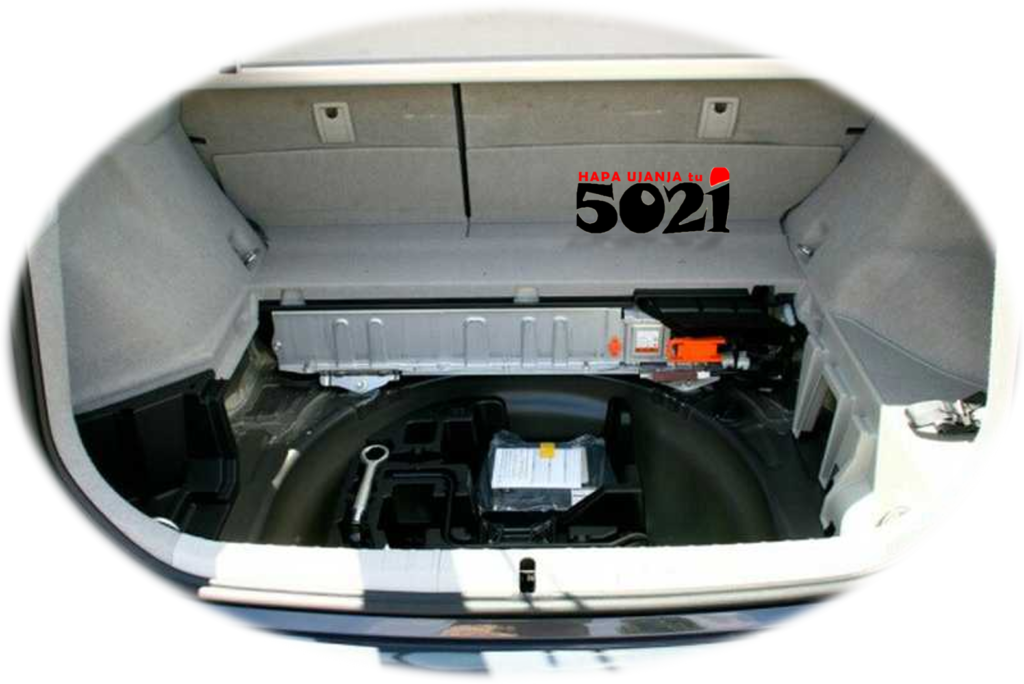 In fact, in some specific models or custom applications (like campers), the inverter/converter may be located in the trunk or behind interior panels😜!

Lets categorize this thing (Z) then narrate it section by section, bomboclat😁😁!
INVERTER / CONVETER COOLING‘s (O) Whatever magic the converter / inverter does, involves heat generation, and so is why there entry points (O) to circulate whatever coolant🍻🍺!
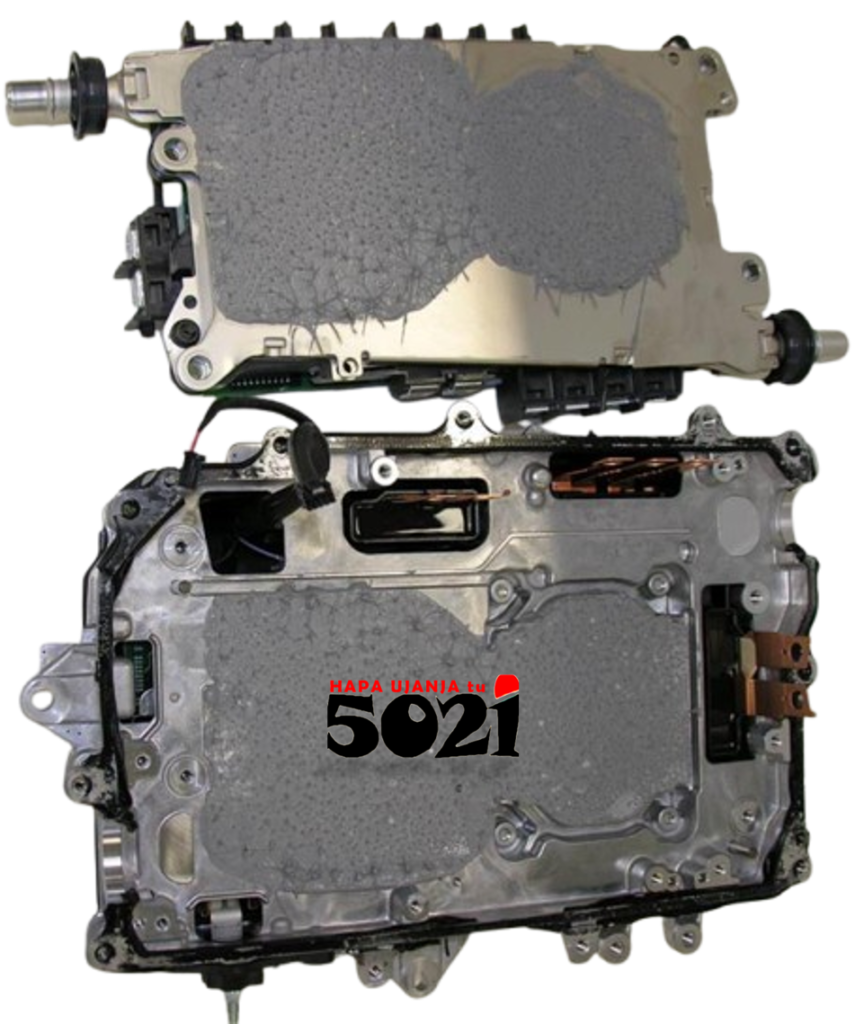 The Temperature of the inverter (Z) converter has to be monitored, so don’t forget considering 🩺whatever Temperature sensor👌!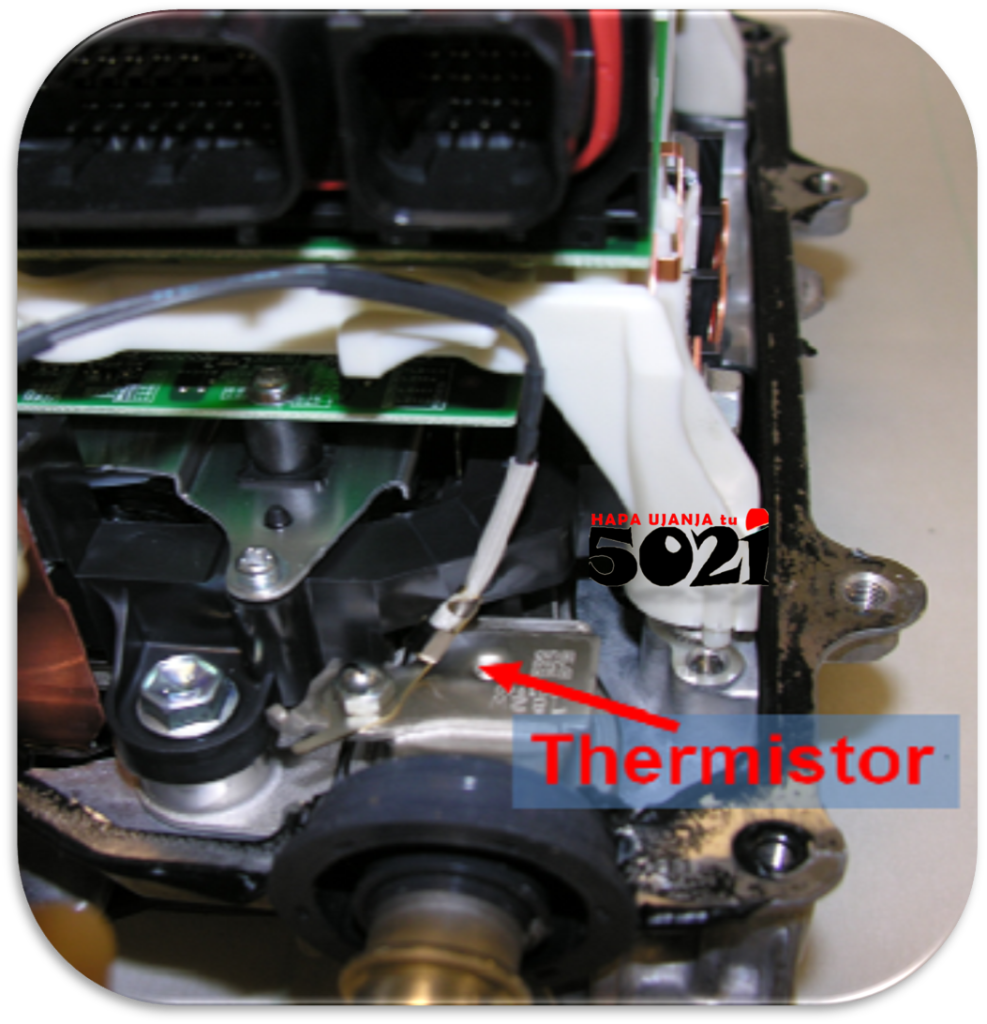
If you’re interested in some nonsense about Temperature sensors‘ parameters🩺
Don’t Click Here
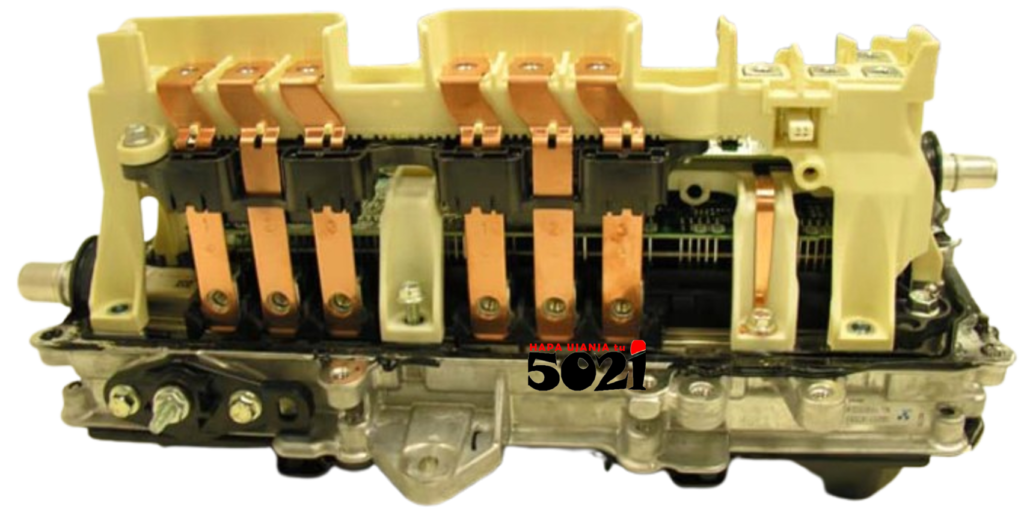
Dismantling this thing (Z) with the upper half of the housing removed and placed beside it🧐!

Expect the circuit board to be multilayered with;
power regulation electronics, MG microprocessors, a boost converter microprocessor, integrated circuits (ICs) for MG speed/position detection, hardware for vehicle communication, voltage Temperature current measurements, safety interlock devices, and so much other nonsense😁😜!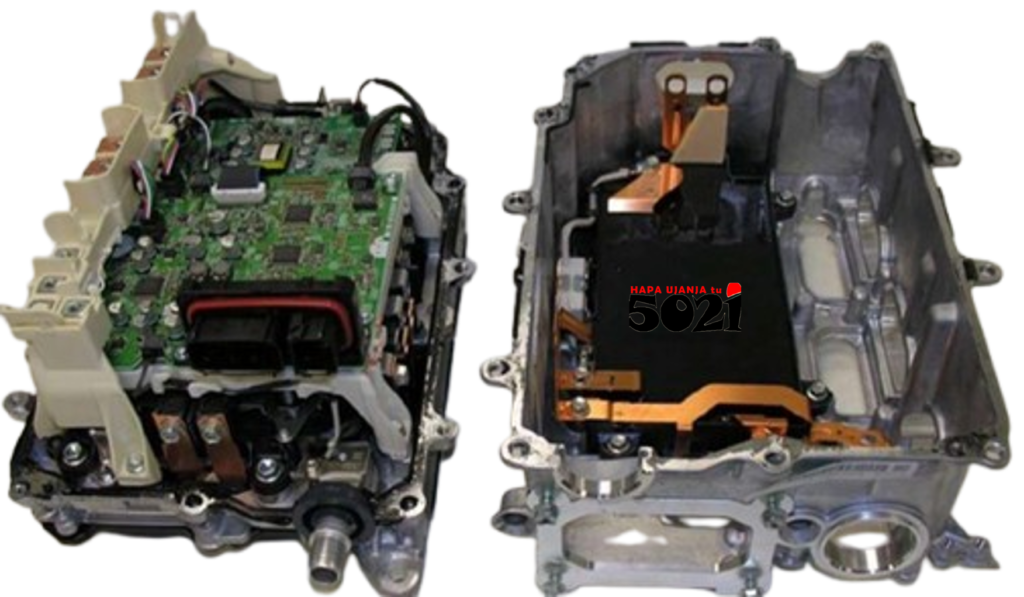
There could be hardware to prevent faults and overlapping, as well as voltage, current, and temperature sensing circuitry for each insulated-gate bipolar transistor (IGBT)😲!
Expect to deal 🩺with controller and driver circuitry for DC–DC converters and inverters😎! You will see such DC, motor, and generator connection terminals🤷♀️!
There is that compartment containing compressor inverter and 12V DC-DC converter👌!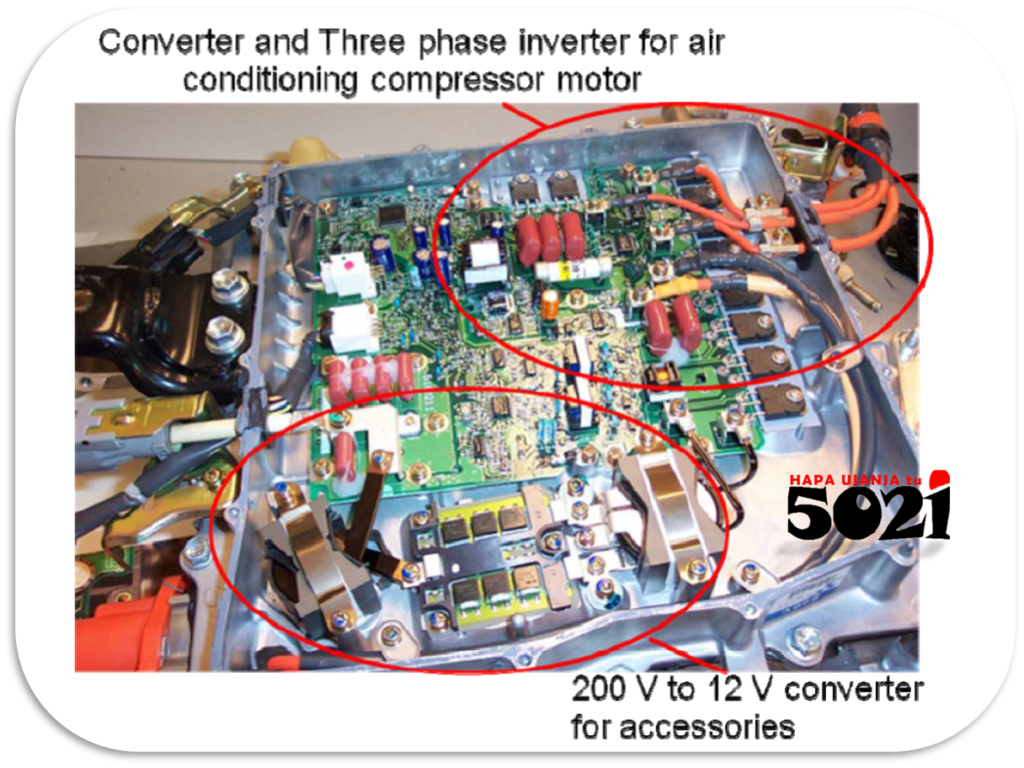
Some sh*t be containing inductor, capacitors, and dc-dc converter😁😜!

DON’T BE SCARED😜😁🤪!
While troubleshooting these circuit boards,
use the similar ‘ujanja’ as we used for ECU’s🤷♀️!
CLICK HERE
HAPA UJANJA tu☝!
Don’t forget about the whatever capacitors that attenuate voltage transients and whatever surges associated with the build-up and collapse of the energy stored in the the inductors!
For example, the large, heavy capacitor is crucial for stabilizing electrical power, filtering noise, and managing high-demand loads📚!
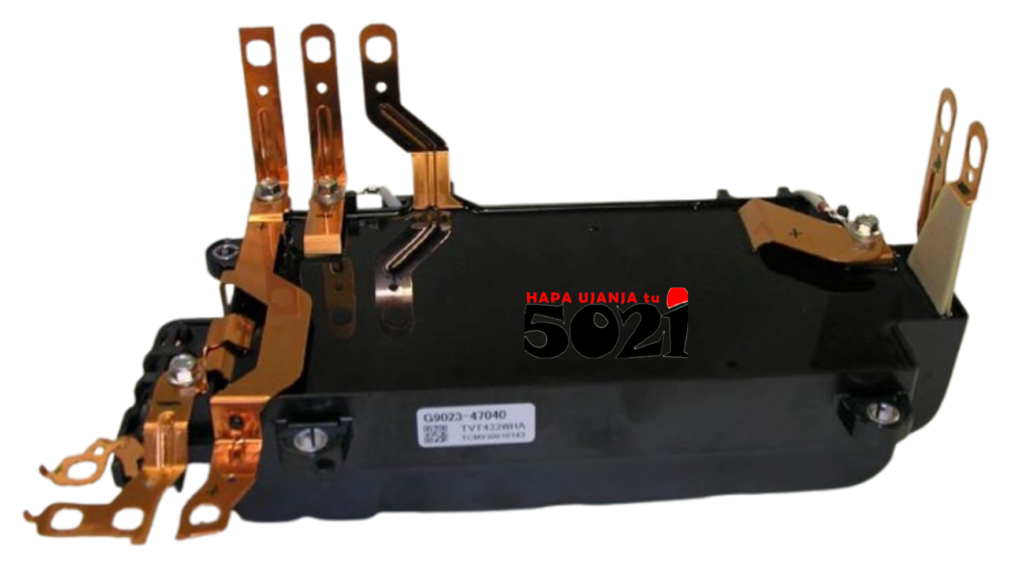
In fact, it is a temporary energy reservoir to bridge the gap between DC sources (solar/battery) and AC output🤷♂️!
There are those other capacitors, like in that nonsense whereby as the duty cycle is varied, the output voltage of the inductor also varies stupidly🤪😜😁!
Sasa, due to these inherent voltage ripples and obviously (but potentially) High Voltages produced by the collapsing inductor field🧐!
Naam, You see how these capacitors serve to stabilize the battery voltage and DC–link voltage as well as protect (Z) devices from potential over-voltage conditions🤷♂️!
There those Boost converter modules😲!
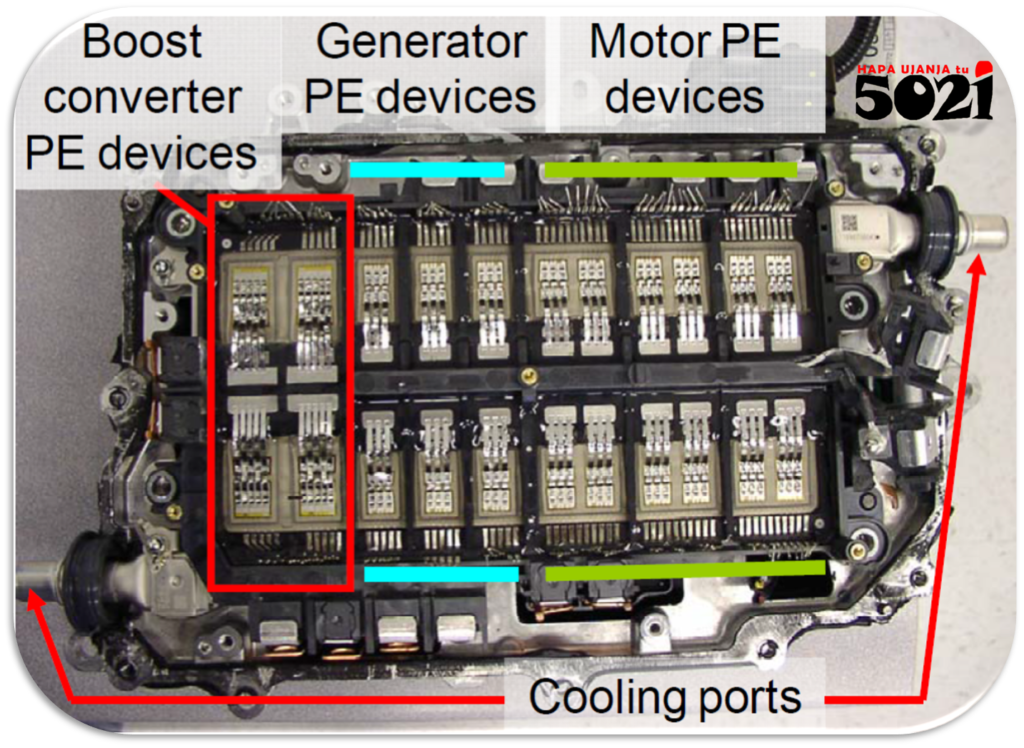
DON’T BE SCARED😜😁🤪!
While troubleshooting these circuit boards,
use the similar ‘ujanja’ as we used for ECU’s🤷♀️!
CLICK HERE
HAPA UJANJA tu☝
Kindly, don’t just cram these setups😜🤪😁!
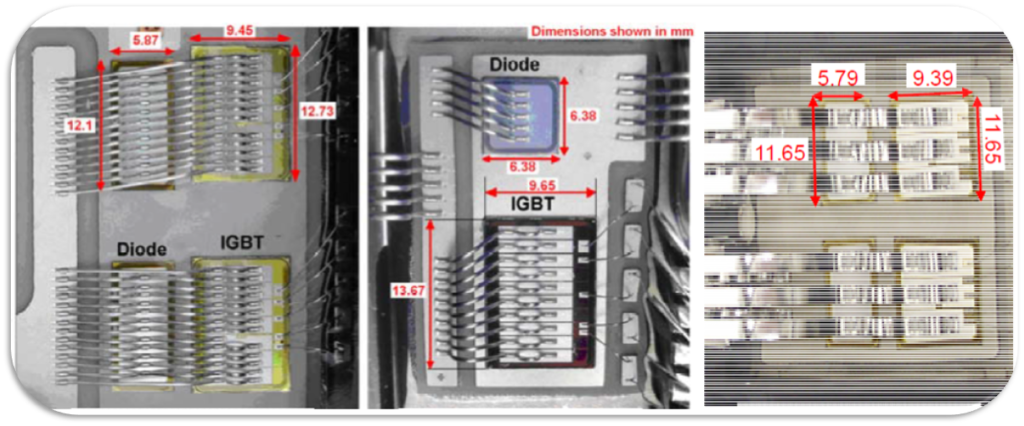 These things vary with different hybrid vehicles, this 5021tips nonsense isjust giving You some perspective of ‘wah gwaan’, seen🤔?
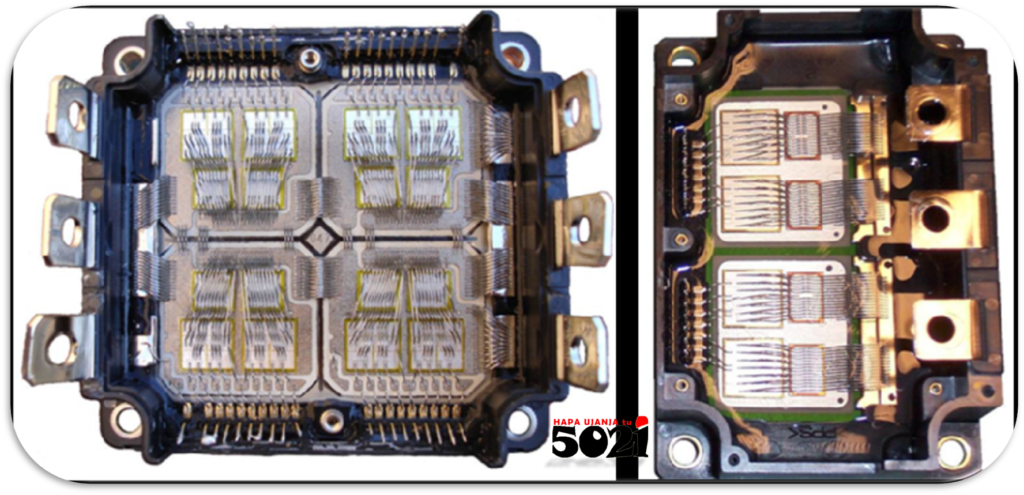 😜🤪😁😜
😜🤪😁😜 Let me even stop here,
NOT to confuse You further😜😁!
There is this book here about if you’re interested in going through all the deep deep details of about the hybrid converters / inverters🤷♀️!
CLICK HERE
….to download the book, insha’Allah✌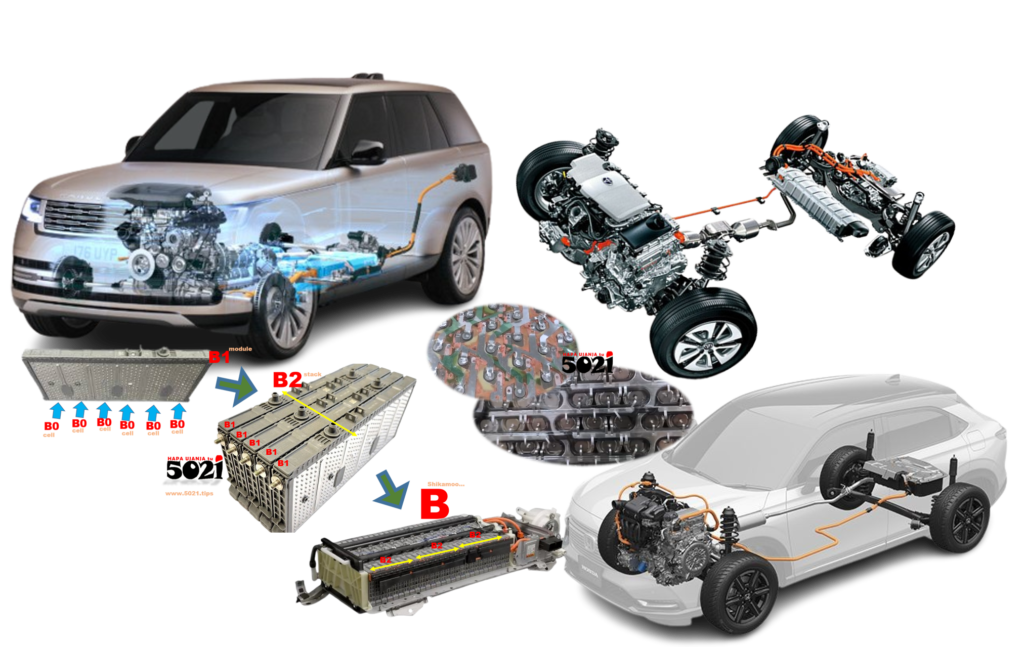

Otherwise such writings could also be youseful, jazaka’Allah✌
Hybrid Vehicle Powertrain Systems combine conventional powertrain components, an internal combustion engine and transmission, with new electric components, electric motor, power electronics and high voltage energy storage, such as a battery.
So this from TOYOTA engineer is to help you know how to perform the necessary maintenance, service, and repair procedures on hybrid cars!
HAPA UJANJA tu👌
 Loading...

 Reload document
  Open in new tab
Loading...
Loading...
Loading...
Loading...
Loading...
Loading...
Loading...
Loading...
Loading...
Loading...
Loading...
Loading...
Loading...
Loading...
Loading...
Open in new tab
Loading...
Loading...
Loading...
Loading...
Loading...
Loading...
Loading...
Loading...
Loading...
Loading...
Loading...
Loading...
Loading...
Loading...
Loading...